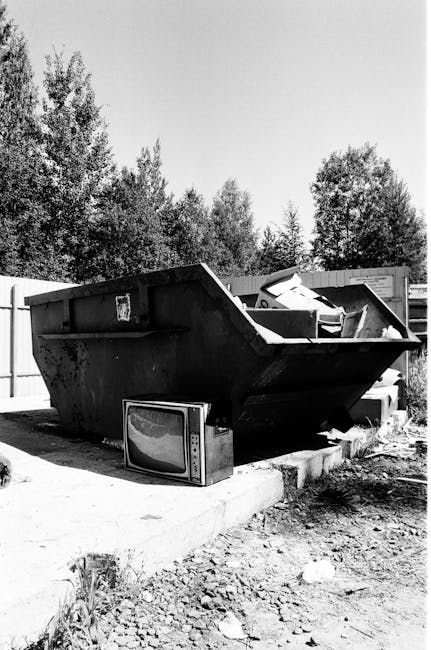
What to know about Ilford bulky waste and disposal rules
If you have an old sofa blocking the hall, a broken wardrobe in the spare room, or a mattress that has been waiting in the corner far too long, bulky waste has a way of becoming a bigger job than it first looks. And in Ilford, the disposal rules matter. Not because they are exciting-let's face it, they're not-but because getting it wrong can lead to delays, extra costs, missed collections, or a pile of furniture sitting outside when it really should not be there.
This guide explains what to know about Ilford bulky waste and disposal rules in plain English. You'll learn what counts as bulky waste, how disposal usually works, what people often forget, where the common risks sit, and how to choose the cleanest, simplest route for your situation. I'll also cover a few practical judgement calls that make a real difference in everyday life. Not theory. Real-world stuff.
Table of Contents
- Why bulky waste rules matter in Ilford
- How bulky waste disposal works
- Key benefits and practical advantages
- Who this is for and when it makes sense
- Step-by-step guidance
- Expert tips for better results
- Common mistakes to avoid
- Tools, resources and recommendations
- Law, compliance, standards, or best practice
- Options, methods, or comparison table
- Case study or real-world example
- Practical checklist
- Conclusion
- Frequently asked questions
Why What to know about Ilford bulky waste and disposal rules Matters
Bulky waste sounds simple until you are standing in front of three broken items, one heavy appliance, and a stairwell that seems to have shrunk overnight. In practice, bulky waste rules matter because they decide how and where larger household items can be removed safely and lawfully.
For local residents, the biggest reasons to understand the rules are straightforward:
- Avoiding fly-tipping risk by not leaving items out in the wrong place or at the wrong time.
- Saving money by choosing the right disposal method first time.
- Protecting neighbours and shared spaces in flats, terraces, and managed buildings.
- Reducing stress during moves and clear-outs, especially when deadlines are tight.
There's also a practical side people sometimes overlook. Bulky waste disposal is often part of a wider home project: moving house, preparing a flat for sale, clearing a rental, or making space after a renovation. If you are planning a bigger change, it can help to look at related local moving services too, such as house removals in Ilford, flat removals in Ilford, or even storage in Ilford if you need a short buffer between clearing and settling in.
One more thing: bulky waste rules also affect how easy it is to recycle usable materials. A damaged table might be too good to throw away in the same way as a waterlogged mattress. The right route can keep more items in circulation and less in landfill. That part matters, quietly but a lot.
How What to know about Ilford bulky waste and disposal rules Works
Most bulky waste disposal in Ilford falls into a few broad routes. The exact process depends on what the item is, how many items you have, whether they can be reused or recycled, and whether access is straightforward. A single mattress is one thing. A whole flat's worth of furniture is another.
Here is the basic way it tends to work in practice:
- Identify the item type and check whether it is classed as bulky household waste, reusable furniture, electrical waste, or a special item.
- Decide whether it can be reused, repaired, donated, or dismantled for easier handling.
- Choose a disposal route: council bulky collection, private removal, recycling drop-off where appropriate, or a mixed move-and-clear service.
- Prepare the items by emptying drawers, removing loose parts, and making the load safe to carry.
- Arrange access and timing so items do not block paths, bin stores, or communal entrances.
That last point sounds minor, but it isn't. In a busy street or a shared building, timing matters. A sofa left out for too long can become a nuisance or, worse, look like abandoned waste. If you are dealing with a move as well as waste, you may also find it useful to review same-day removals in Ilford or man and van services in Ilford when speed matters more than a drawn-out schedule.
For anything heavy, awkward, or likely to damage stairs and walls, transport planning matters just as much as disposal itself. That is where a practical removals team, or a vehicle suitable for furniture transport, can save a lot of bother. If access is tricky, especially around narrow roads or shared entrances, you might also want to consider a removal van in Ilford rather than trying to shift everything in one rushed go.
Key Benefits and Practical Advantages
There are some very real benefits to handling bulky waste properly instead of "just getting it gone" in the quickest possible way. The quickest route is not always the smartest one. Strange, but true.
- Cleaner property presentation before a sale, tenancy handover, or renovation.
- Less physical strain because heavy items are handled with the right equipment and technique.
- More predictable timing, especially when you are coordinating cleaners, decorators, or movers.
- Better recycling outcomes when materials are separated sensibly.
- Lower risk of complaints from neighbours or building managers.
There is also a budgeting benefit. When bulky waste is organised early, you can often group items in a way that is far more efficient than dealing with them one by one. For example, one collection for a bed frame, wardrobe, and chest of drawers is usually easier to manage than three separate last-minute jobs. That is where sensible planning helps. It sounds boring, and it is a little boring, but it works.
For people comparing removal help, it can be useful to look at related pages like removal services in Ilford or removals in Ilford if the clearance is part of a larger job. If you only need help with a few furniture pieces, furniture removals in Ilford can be the more efficient fit.
Who This Is For and When It Makes Sense
Bulky waste rules matter to more people than you might think. It is not just landlords and people moving house. In practice, the need often shows up in everyday moments.
- Homeowners clearing a garage, loft, shed, or old furniture before a renovation.
- Tenants needing to leave a flat tidy at the end of a tenancy.
- Landlords and letting agents dealing with left-behind items after a move-out.
- Families replacing beds, wardrobes, sofas, or bulky children's furniture.
- Students moving out of shared accommodation and needing a quick, practical solution.
- Businesses disposing of office furniture, stockroom waste, or old equipment.
It makes sense to think about bulky waste as part of a wider transition. If you are moving into a new place, for example, a quick clear-out before the move can reduce costs and stress on the day. For students and smaller households, student removals in Ilford may be a useful complement. For offices, the picture is different, and a coordinated approach such as office removals in Ilford is usually smarter than improvising.
When bulky waste is likely to involve a strict deadline-end of tenancy, estate clearance, pre-sale tidy-up-it is better to book earlier than you think. A one-day delay can cause a chain reaction. That part is very real. People underestimate it all the time.
Step-by-Step Guidance
If you want to deal with bulky waste cleanly and without hassle, a simple step-by-step approach usually beats trying to wing it.
1) Sort the items properly
Start by separating what can be reused, recycled, repaired, or thrown away. A solid chair with one loose leg is very different from a water-damaged mattress. If something can be passed on, don't rush it into disposal just because it is inconvenient.
2) Check what needs special handling
Some items need extra care. Fridges, freezers, televisions, and anything with electrical components may be treated differently from sofas or tables. Damaged glass, sharp metal, and items with fluid leaks also need a bit more caution. Nobody wants a cracked pane or a ripped bag halfway down the stairs.
3) Measure access and weight
Before moving anything, check door widths, stairs, lift access, and parking space. A bulky item may be technically "manageable" but still impossible to take out safely if the route is awkward. If the property is tight on space, a careful loading plan matters more than muscle. You'll notice this especially in older Ilford homes and flats where the stairwell is not exactly generous.
4) Decide on the disposal method
Choose the route that best fits your schedule, item type, and budget. A small amount of furniture may be fine for a one-off collection. Larger clear-outs often suit a removal-style service or a van with labour included. If the job is urgent, a quick-turnaround option may be more practical, and sometimes a same-day Ilford removals update is the kind of thing people search for when time is running away with them.
5) Prepare the property
Clear hallways, remove trip hazards, and keep pets and children away from the working area. Put aside the items that are definitely going and keep the "maybe" pile separate. That small bit of discipline saves arguments later.
6) Confirm what happens after collection
If you are using a removal service, ask how items will be handled. Reuse, recycling, disposal, and loading all matter. A good provider should be able to explain the process clearly. If they cannot, that is usually a sign to keep looking.
Expert Tips for Better Results
Here are a few practical tips from a real-world perspective-nothing fancy, just the sort of things that make bulky waste jobs go smoother.
- Bundle compatible items together. One mattress, one bed base, and one wardrobe are easier to plan than scattered single items.
- Empty everything first. Drawers, cupboards, and storage boxes should be checked before moving. It sounds obvious. People still forget.
- Protect floors and corners. Old furniture can drag grit, leave scuffs, or catch on paintwork.
- Keep proof of handover or booking. A simple confirmation helps if you are coordinating a landlord, agent, or building manager.
- Think about recycling before disposal. Some items can be broken down into parts rather than treated as one lump.
- Use a service that understands local access issues. Narrow streets, controlled parking, and busy collection times all matter in Ilford.
If you want a more sustainability-minded approach, it is worth reading the recycling and sustainability page before deciding what to keep, pass on, or send away. That can save you from binning items that still have life left in them.
One small but important tip: take a photo of the items before they leave. Not because you need to be dramatic about it, but because memory gets fuzzy once the van has gone and the room suddenly looks much bigger. It happens.
Common Mistakes to Avoid
Most bulky waste problems are avoidable. They come from rushing, guessing, or assuming the process is more flexible than it really is.
- Leaving items out early and creating a nuisance before collection time.
- Mixing allowed items with prohibited ones, which can delay a collection or lead to refusal.
- Forgetting access constraints such as parking, stairs, and lift size.
- Underestimating weight and trying to move heavy pieces without help.
- Not checking building rules in flats, estates, or shared properties.
- Choosing the cheapest option without checking what is included. Cheap can turn expensive in a hurry.
One of the more common mistakes is assuming all bulky waste is handled the same way. It isn't. A broken desk, a mattress, and a fridge are not the same job. They may all be "big", but that does not mean they are treated the same in practice.
If cost is a concern, it may help to review pricing and quotes and also the article on avoiding hidden fees in Ilford man with van quotes. Unexpected add-ons are often where a straightforward clearance becomes a frustrating one.
Tools, Resources and Recommendations
You do not need a fancy toolkit for bulky waste, but a few practical items can make a big difference.
| Tool or resource | Why it helps | Best for |
|---|---|---|
| Measuring tape | Checks whether items will fit through doors, stairwells, and lifts | Flats, narrow access, large furniture |
| Gloves | Protects hands from splinters, sharp edges, and dust | General clear-outs |
| Furniture blankets or covers | Reduces scrapes on walls and floors | Heavy or awkward items |
| Labels or marker pen | Keeps reusable, recyclable, and disposal items separate | Mixed clear-outs |
| Removal van or man and van support | Makes transportation simpler and safer | Larger household or office jobs |
For bigger or more awkward jobs, especially when several bulky items need to be loaded safely, a service with proper transport can be the deciding factor. That might mean man with a van in Ilford, or a broader support service if the job also involves packing, moving, and temporary storage. If the move itself is part of the story, packing and boxes in Ilford can also help reduce chaos.
And if you are comparing providers, it is worth checking how they handle safety and liability. The insurance and safety information is a sensible place to look before you let anyone take charge of heavy, valuable, or awkward items.
Law, Compliance, Standards, or Best Practice
This is the part people often skip, then regret later. In the UK, bulky waste disposal should be handled responsibly and with proper care for health, safety, and environmental duty. The practical standard is simple: do not dump items where they do not belong, and do not assume a pavement or communal area is a staging point unless it is clearly allowed.
For Ilford residents, the safest best practice is to treat bulky waste as a managed disposal task, not an informal kerbside experiment. That means:
- Following local collection rules where applicable.
- Checking whether the item should be recycled, reused, or treated as waste.
- Avoiding obstruction of footpaths, entrances, and shared areas.
- Using competent, insured help for heavy lifting and transport.
- Keeping clear records for tenancy, landlord, or building management purposes when needed.
If you are in a block of flats or a managed building, there may also be internal rules about lift use, booking loading bays, or timing. Those rules can be just as important as the disposal method itself. In other words: yes, the building manager does matter, even if nobody likes that answer.
For neighbourhood life and local awareness, some readers also like browsing local living insights in Ilford because the wider area context can be useful when you are deciding how and when to move larger items.
Options, Methods, or Comparison Table
There is more than one way to handle bulky waste, and the right choice depends on urgency, item type, and how much lifting is involved. Here is a practical comparison.
| Method | Best for | Pros | Watch out for |
|---|---|---|---|
| Council bulky collection | Small to moderate household items | Usually straightforward and familiar | Timing may be limited; some items may not be accepted |
| Private bulky waste removal | Mixed items, awkward furniture, faster turnaround | Flexible, hands-off, often easier for larger loads | Costs vary and can rise if access is difficult |
| Re-use or donation route | Usable furniture and household goods | Better for sustainability; keeps items in circulation | Items must usually be clean and in decent condition |
| DIY transport to a facility | People with the right vehicle and time | Can be efficient for certain loads | Heavy lifting, loading risk, and disposal rules still apply |
If the items are mostly furniture and you need help getting them out of a tight property, narrow-access furniture removals in Ilford is the kind of specialist support that can save a lot of trouble. That sort of detail matters more than people think, especially in older buildings and busy streets.
Case Study or Real-World Example
Here's a realistic scenario. A couple in Ilford is preparing to hand back the keys on a two-bedroom flat. They have a sofa, an old mattress, a wardrobe that will not survive another move, and a broken desk. None of it is especially rare. But the flat is on an upper floor, the lift is shared, and the hallway is narrow.
At first, they think they can move everything themselves over a weekend. After ten minutes of lifting and one near-miss with a wall corner, they realise the plan is not quite the plan. So they sort the items: keep, donate, dispose. They dismantle the wardrobe, empty the drawers, and arrange collection so the bulky waste goes first, before the final clean. That means fewer obstacles, less stress, and no last-minute scramble the night before handover.
The important bit is not that they used a particular service. The important bit is that they treated the task as a sequence, not a single lump of effort. That mindset usually leads to fewer errors and a calmer day. And honestly, after a few moves, calm is worth its weight in gold.
In similar situations, people often also look at stress-free Ilford removals guidance because bulky waste rarely exists on its own. It is usually tied to a bigger life admin moment, like moving, downsizing, or clearing up after renovation work.
Practical Checklist
Use this checklist before booking or moving bulky waste. It keeps things tidy and avoids those annoying little surprises.
- Identify each item and decide whether it is reusable, recyclable, or disposal only.
- Measure doors, stairs, lifts, and external access points.
- Check whether any item needs special handling, such as electrical equipment.
- Remove contents from drawers, cupboards, and storage compartments.
- Separate hazardous or unsuitable materials from normal bulky waste.
- Confirm collection timing and whether items must be outside or inside.
- Protect floors, walls, and corners if items are being moved through the property.
- Make sure the route to the item is clear and safe.
- Keep pets and children away during lifting and loading.
- Save confirmation details, especially if the clearance supports a move-out or inspection.
If your bulky waste plan is tied to a bigger relocation, it may help to review the complaints procedure and terms and conditions as part of your due-diligence routine. Not thrilling reading, admittedly, but useful when you need clarity.
Conclusion
The main thing to remember about Ilford bulky waste and disposal rules is that good disposal is usually simple, but only after you have made a few careful decisions. What is the item? Can it be reused? How will it be moved? Is there enough access? What does the property or building require?
Once those questions are answered, the job becomes much easier. You avoid damage, cut down on stress, and pick a disposal route that actually fits the situation instead of forcing everything into a one-size-fits-all approach. That is the kind of practical thinking that saves time in the real world.
And if you are already in the middle of a move, clear-out, or property reset, don't try to wrestle the whole thing alone. A bit of planning now can make the next day feel far lighter. Sometimes that is all people need.
Get a free quote today and see how much you can save.
Frequently Asked Questions
What counts as bulky waste in Ilford?
Bulky waste usually means large household items that are too big for normal bins or standard collection. Sofas, mattresses, wardrobes, tables, chairs, and similar items are common examples. Electrical items can fall into a different category, so it is worth checking carefully.
Can I leave bulky waste on the pavement outside my home?
Not unless you are certain that the collection arrangement allows it. Leaving items out too early or in the wrong place can create obstruction, complaints, or disposal issues. In shared or managed buildings, the rules can be even stricter.
Is it better to use council collection or a private service?
It depends on the job. Council collection may suit a small number of standard items, while private removal is often better for larger clear-outs, awkward access, faster turnaround, or mixed loads. If timing and convenience matter, private help can be worth it.
What should I do with furniture that is still usable?
If an item is in decent condition, consider reuse, donation, or resale before disposal. That can reduce waste and may be the more responsible choice. A scratched table is not the same as a broken one, so it is worth judging each item individually.
Do I need to dismantle furniture before bulky waste collection?
Not always, but dismantling can make heavy pieces safer and easier to move. If access is tight, taking apart a wardrobe or bed frame is often a smart move. Just keep the fixings together so they do not disappear into the sofa abyss.
How do I know if an item needs special handling?
If the item contains electrical parts, coolant, glass, sharp metal, or fluid, it may need special treatment. Fridges, freezers, TVs, and some office equipment are common examples. When in doubt, treat it as separate from ordinary furniture.
What if I live in a flat with narrow stairs or no lift?
That is a classic reason to plan carefully and possibly use professional help. Narrow stairs, tight landings, and awkward turns can turn a simple job into a headache. A measured approach is much safer than forcing it.
Can bulky waste be collected on the same day?
Sometimes, yes, if a provider has availability and the job is straightforward. Same-day help is especially useful when you are on a deadline or dealing with an unexpected clearance. It is not always possible, but it can be a lifesaver.
How can I reduce the cost of bulky waste disposal?
Group items together, prepare them properly, and separate reusable pieces from true waste. Reducing labour time and avoiding access surprises often keeps the cost down. Last-minute chaos is expensive, sadly.
What is the safest way to move heavy bulky items?
The safest way is to use the right number of people, the right lifting technique, and suitable transport. Protecting walls, floors, and your back matters. If the item is very heavy or awkward, get help rather than being heroic for five minutes.
Do landlords or tenants have different responsibilities?
Yes, the responsibility can depend on the tenancy agreement, the condition of the property, and what was left behind. Tenants should normally leave the property clear of their belongings, while landlords may need to deal with abandoned items differently. It is sensible to keep records.
Can bulky waste be recycled instead of thrown away?
Often, yes, at least in part. Wood, metal, and some plastics may be separated and handled more sustainably. That is one reason it helps to choose a service that understands recycling, not just removal.
What should I check before booking a bulky waste collection?
Check item types, access, timing, whether anything must be dismantled, and whether any building rules apply. Also confirm what is included in the price so you do not get caught by extras later. A little checking up front saves a lot of faff.
If you want a broader look at how local moving and property needs connect in the area, you may also find it useful to read about Ilford's close-knit community and how local property decisions can affect moving plans. Different topic, yes, but surprisingly connected once you start shifting furniture around.
In the end, bulky waste is one of those jobs that goes best when it is treated with a bit of care and a bit of common sense. Not glamorous. Very useful. And once it is done, the extra space feels better than you expected.