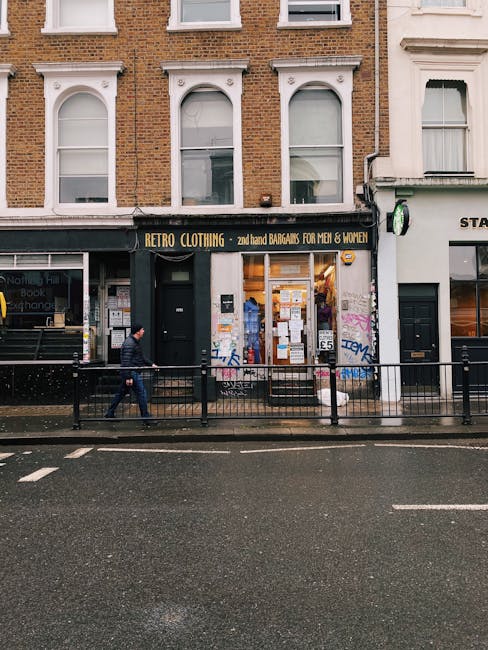
Shop and retail removals Ilford Broadway business relocation

If you are planning Shop and retail removals Ilford Broadway business relocation, you probably already know the awkward bit: it is never just "moving stuff from A to B". A shop move can affect trading hours, footfall, stock handling, fittings, staff routines, and the feel of your business all at once. One late delivery, one missing till component, one damaged display stand... and suddenly the whole week feels heavier than it should.
This guide breaks the process down in plain English. You will find out how retail relocations usually work, what to plan first, where the hidden risks sit, and how to make the move smoother without turning the whole thing into a drama. To be fair, most good moves are less about brute force and more about good sequencing.
Whether you are shifting a boutique, convenience store, salon retail area, kiosk, or mixed-use commercial unit around Ilford Broadway, the aim is the same: protect stock, reduce downtime, keep customers informed, and reopen without the usual moving-day chaos.
Why Shop and retail removals Ilford Broadway business relocation Matters
Retail moves are different from home moves and even different from many office relocations. A shop is a live trading environment. It often contains cash handling equipment, fragile stock, branded displays, shelving systems, point-of-sale kit, changing rooms, signage, and sometimes cold storage or specialist fixtures. If one part is delayed, the rest can stall.
That is why shop and retail removals in Ilford Broadway business relocation need planning that respects both the physical move and the trading reality. You are not just moving furniture. You are protecting revenue continuity.
Ilford Broadway itself adds a few practical considerations. Busy roads, loading access, customer footfall, delivery windows, and local parking pressures can all shape the move. Anyone who has tried to squeeze a van into a tight slot during a busy spell knows the feeling. It is not impossible, but it does need care.
There is also the customer side of things. Regular shoppers notice disruption quickly. If your move looks unorganised, confidence dips. If it is neat, calm, and well signposted, people usually accept the temporary inconvenience and come back once you reopen.
Expert summary: the best retail relocations are planned around downtime, stock protection, access, and reopening speed. The move should support trading strategy, not interrupt it more than necessary.
How Shop and retail removals Ilford Broadway business relocation Works
A proper retail relocation usually follows a sequence rather than a single moving day. That sequence can be adjusted depending on your unit size, stock volume, opening hours, and whether you are moving to another Broadway premises or elsewhere nearby.
1) Initial survey and planning
This is where the removal team looks at access, volume, item types, any awkward fixtures, lift or stair use, parking restrictions, and timings. A good survey should also cover whether anything needs specialist handling, such as glass displays, refrigeration units, or unusually heavy cabinets.
2) Packing and labelling
Retail items need clearer labelling than many people expect. Not just "stock" or "office". Better labels separate tills, shelving brackets, seasonal stock, admin files, display items, packaging, and fragile goods. In a busy store, this saves hours later. Sometimes days.
3) Dismantling fixtures and displays
Some retail furniture can be moved as-is, but many units need partial dismantling. Think modular shelving, counters, wall fittings, mirrors, mannequins, and backroom storage. The aim is to keep the pieces reusable and avoid scuffing, bent fittings, or a missing bag of screws that somehow disappears into the universe.
4) Loading and transport
This stage needs careful handling and a sensible loading order. Heavier, more stable items usually go in first, with fragile items secured separately. If stock is valuable or sensitive, it may need weather protection and tighter supervision during loading.
5) Delivery, placement, and setup
At the new site, items should be unloaded in a sequence that supports reopening. That often means counters and essential stock first, decorative display items later. If you get this wrong, you can end up with beautiful shelving in the room but no tills powered up. Not ideal.
6) Final checks and handover
The move is not really done until the shop is safe, tidy, and ready to trade. Check access routes, remove packing waste, confirm key items are present, and test anything electrical or security-related before opening the doors.
Key Benefits and Practical Advantages
There are obvious benefits to using a structured retail relocation approach, but the less obvious ones matter too.
- Less downtime: when stock, counters, and fixtures are handled in a planned order, reopening tends to be faster.
- Better stock protection: labelled packing and careful loading reduce breakage and shrinkage risk.
- Cleaner handover: a well-run move leaves both premises tidier, which can matter with lease obligations.
- Lower staff stress: when everyone knows what is happening and when, the move feels manageable.
- More control over merchandising: items can be placed in a way that supports your store layout from day one.
- Improved customer confidence: people notice professionalism, even if they only catch the "we are moving" message on the shutter.
There is another advantage people sometimes forget: a well-organised move can reveal waste. Old fixtures, duplicate stock, unused packaging, and dead display material become obvious fast. That can be useful, even if a bit confronting. A move has a way of telling the truth.
| Moving approach | Best for | Main strengths | Possible drawback |
|---|---|---|---|
| DIY move with staff | Very small shops or light stock | Lower cash cost, flexible timing | Higher risk of delays, damage, and staff fatigue |
| Mixed DIY and hired support | Small to medium retail units | Good balance of control and help | Needs strong coordination |
| Professional retail removal service | Busy shops, valuable stock, fixed deadlines | Better planning, handling, and speed | Usually costs more upfront |
Who This Is For and When It Makes Sense
This kind of move makes sense for a wide range of businesses. The exact shape changes, but the moving pain points are surprisingly similar.
Common retail and shop scenarios
- Independent boutiques relocating to a new Ilford Broadway unit
- Convenience stores changing premises or expanding
- Hair and beauty retailers moving stock and retail displays
- Specialist shops with fragile or premium merchandise
- Pop-up operators setting up or clearing down temporary sites
- Mixed retail and service businesses with front-of-house displays
It also makes sense if your current shop is simply not efficient anymore. Maybe the storage is awkward. Maybe the lease is ending. Maybe the footfall pattern has changed. Or maybe the old unit looks a bit tired and you need a fresh start. That happens more often than people admit.
If your business relies on opening on time, or on presenting stock in a particular way, a relocation plan is not optional. It is the difference between a controlled move and a messy interruption.
And if your move is small? It still helps to plan properly. Small moves have a funny habit of becoming chaotic because everyone assumes they will be easy.
Step-by-Step Guidance
Below is a practical way to approach a retail relocation around Ilford Broadway. It is straightforward, but each step earns its place.
- Set the moving window early. Choose a date and time that causes the least disruption. If possible, avoid your busiest trading periods.
- Map the inventory. List stock categories, fixtures, packaging, and anything fragile or valuable. Do not rely on memory alone.
- Separate "must open first" items. Tills, card machines, key signage, high-turnover stock, and essential tools should be marked clearly.
- Check access at both sites. Measure doorways, stairs, lifts, and loading access. One tight corner can become the whole story if you ignore it.
- Decide what gets dismantled. Some fittings travel better in parts. Keep fixings and labels with the right item.
- Pack by zone. Group items by shop area, such as front display, till area, stockroom, or back office.
- Protect sensitive stock. Use appropriate wrapping, padded materials, or sealed containers where needed.
- Move in the right order. Essentials first, then support stock, then display detail.
- Test the new setup before opening. Check power, lighting, signage, payment equipment, and customer flow.
- Do a final sweep. Make sure nothing important was left behind at the old unit.
A small but useful tip: keep one person responsible for decision-making on the day. Too many voices can slow everything down. One clear point of contact keeps the whole thing calmer, even when the kettle has gone missing and someone is asking where the spare keys are.
Expert Tips for Better Results
Here are some practical ways to make a retail move feel less like a fire drill.
Build around trading reality, not just logistics
It is tempting to focus on packing and transport alone, but the real question is: when does the shop need to trade again? Backward-plan from reopening, not from moving day. That simple shift makes decisions much easier.
Create an opening-day box
Put the essentials together in one clearly labelled box or crate: keys, basic tools, cleaning cloths, extension leads, charger cables, spare pens, tills accessories, and a small amount of emergency packaging. It sounds minor. It is not.
Keep fragile items visually obvious
Use large labels, bright tape, or clear markings. If a container looks ordinary, someone will treat it as ordinary. Humans do this all the time, and usually on the busiest moment of the day.
Protect customer-facing materials
Branding items, display props, and signage deserve more care than people expect. They are often the first thing customers see, so scratches and dents matter more than they seem to on a packing list.
Plan for waste as well as removal
There is often more packaging, old stock, and obsolete shop material than anticipated. If you do not plan for disposal, it starts crowding corridors and loading areas. Then everyone's moving around boxes instead of moving the business.
Use the move to refresh your layout
If you are already relocating, think about what should change. Could the till area be more open? Could impulse items be placed differently? Small layout improvements can make the new shop feel sharper from day one.
Common Mistakes to Avoid
Most retail move problems are avoidable. The tricky bit is that they are often predictable in hindsight. Here are the big ones.
- Leaving labelling until the end: this creates confusion during unpacking and slows reopening.
- Underestimating fixture handling: heavy shelving and display units often need more preparation than expected.
- Ignoring access constraints: narrow entrances, parking limits, or stair access can derail timing.
- Moving stock without categorising it: this makes the new shop harder to set up logically.
- Forgetting to coordinate with staff: people work better when they know what they are doing and when.
- Not checking insurance and liability details: this can cause avoidable headaches if something is damaged or goes missing.
- Failing to plan waste removal: clutter at either site makes everything feel slower.
One of the most common mistakes? Assuming the last hour will be easy. It rarely is. That final stretch usually includes loose ends, forgotten items, and a bit of dust in odd places. Always leave buffer time.
Tools, Resources and Recommendations
You do not need a mountain of specialist equipment to manage a retail move, but the right basics help a lot.
Useful packing and moving tools
- Strong cartons and plastic crates for stock
- Bubble wrap or protective wrapping for fragile items
- Labels, marker pens, and coloured tape
- Furniture blankets and corner protectors
- Tool kits for dismantling and reassembly
- Stretch wrap for grouping items securely
- Trolleys or sack trucks for heavier pieces
Practical service areas to consider
If you need broader support, a commercial move may benefit from services such as commercial moves, packing and unpacking services, or even office relocation services when your retail unit includes a back-office function. For smaller, quicker support, some businesses also look at man and van help or a moving van for lighter loads.
It is sensible to check service information carefully before booking. If your move involves larger items, moving truck support may be more appropriate than a smaller vehicle. The right fit depends on volume, access, and timing, not just price.
For peace of mind, review the details around insurance and safety, especially if you are moving valuable stock or fitted items. And if you are comparing quotes, the page on pricing and quotes is a useful place to understand how estimates are usually structured.
Law, Compliance, Standards, and Best Practice
Retail relocations can touch on safety, access, waste handling, and sometimes lease obligations. You do not need to turn the process into a legal seminar, but you do need to be sensible.
For example, if staff are involved in packing or lifting, safe manual handling matters. Heavy items should not be left to guesswork. Risk should be reduced through planning, correct equipment, and sensible team coordination. That is just good practice, and frankly the only sane way to do it.
You should also think about fire exits, trip hazards, temporary storage, and clear walkways during the move. In the old unit and the new one, the goal is the same: keep the environment safe while people are carrying boxes, shelving, or equipment in and out.
If your business generates waste, check how it will be removed and whether any specialist disposal is needed. Packaging, broken fittings, and obsolete stock should not just pile up in a corner. A tidy handover matters, particularly where lease terms or landlord expectations are involved.
It is also wise to review your own policies, including health and safety policy if you have one in place, along with the provider's broader terms and conditions. For businesses that care about responsible disposal and reduced waste, recycling and sustainability guidance can help frame decisions around packaging and unwanted items.
In short: keep the move organised, communicate clearly, and do not cut corners where safety or responsibility are concerned. That tends to pay off, every time.
Options, Methods, or Comparison Table
Different retail moves call for different methods. There is no single perfect approach. The best one depends on scale, urgency, stock sensitivity, and how much time your team can realistically spare.
| Method | Best suited to | Pros | Cons |
|---|---|---|---|
| Full-service retail relocation | Larger shops or time-sensitive openings | Coordinated, efficient, less internal workload | Higher upfront spend |
| Partial support with self-packing | Cost-conscious businesses with available staff | Lower cost, good control over stock packing | More coordination required from your team |
| Van-only transport support | Smaller retail loads or short-distance moves | Flexible and practical for lighter jobs | May not suit bulky fixtures or large volumes |
| Phased relocation | Businesses that need to stay partially open | Reduced downtime, staged disruption | More planning and longer overall process |
If you are unsure which option fits, ask yourself one blunt question: what costs more, the service or the downtime? For many shops, the hidden cost is not the move itself but the lost trading time. That is where the calculation often changes.
Case Study or Real-World Example
Here is a realistic example from the kind of move businesses face all the time. A small retail shop near Ilford Broadway needs to shift to a new unit a short distance away. The stock is mixed: some fragile display items, regular retail stock, a till area, shelving, and a compact back office.
The owner starts by splitting the move into zones. Front display stock is packed separately from back-room supplies. The till equipment is labelled as "open first". Shelving components are bagged by section so reassembly does not turn into guesswork. The team also prepares a small box of essentials for the first morning in the new premises.
On moving day, the biggest win is sequencing. Heavier fixtures go out first, then stock, then display items, then the admin and finishing bits. The new shop is not perfect by lunchtime - let's be honest, it never is - but the core setup is functional. By the end of the day, the business can serve customers, process payments, and continue restocking without a scramble.
What made the difference was not luck. It was planning, labelling, and keeping the reopening goal in sight from the start. That is the pattern you want.
Practical Checklist
Use this checklist before your move. It is simple, but it covers the bits that tend to get forgotten.
- Confirm your moving date and access times
- Measure entrances, corridors, stairs, and loading space
- List all fixtures, fittings, and stock categories
- Mark fragile, valuable, and essential items clearly
- Pack opening-day essentials separately
- Decide what will be dismantled and who will do it
- Check power, lighting, and payment setup at the new unit
- Plan waste removal for packaging and unwanted items
- Brief staff on timing, roles, and priorities
- Review insurance, safety, and moving terms
- Prepare signage or customer notices if needed
- Do a final sweep of both properties before handover
If you can tick all of those off, you are in a much better place than most businesses on moving week. It may still be busy. Of course it will. But it will be the good kind of busy.
Get a free quote today and see how much you can save.
Conclusion
Shop and retail removals in Ilford Broadway business relocation are about more than transport. They are about continuity, customer confidence, and keeping the business moving while the premises change around it. The smoother the plan, the faster you can get back to trading properly.
In practice, the best results come from clear labelling, realistic timing, careful handling, and a move plan that respects both stock and sales. If you prepare properly, the relocation becomes a controlled step forward rather than a stressful interruption. And that matters, because a well-run move does more than protect your stock. It protects momentum.
Take your time with the plan, keep the essentials close, and stay focused on the first trading day in the new space. Once the doors open and the shelves are set, the whole thing starts to feel worth it.
And if today feels a bit too full-on? That is normal. One step at a time, and it will come together.
Frequently Asked Questions
What is included in shop and retail removals in Ilford Broadway business relocation?
It usually includes packing, loading, transport, unloading, and positioning of retail stock, fixtures, and equipment. Depending on the job, it may also include dismantling, labelling, and help with setup at the new premises.
How far in advance should I plan a retail move?
As early as possible. Even small shop moves benefit from advance planning because access, timing, stock handling, and staffing all need coordination. If the business is busy, earlier is better.
Can I move my shop in stages instead of all at once?
Yes, phased moves are often sensible, especially if you need to stay partially open. The trade-off is more planning and a longer overall process, but it can reduce disruption.
How do I protect fragile stock during a retail move?
Use suitable wrapping, strong containers, clear labels, and careful loading. Fragile goods should be packed separately from heavier items and kept visible as delicate throughout the move.
What should I move first into the new shop?
Start with essentials: counters, till equipment, key stock, and anything needed to trade on day one. Decorative items and non-urgent fixtures can come later.
Do I need a professional removal company for a small shop?
Not always, but professional support is often worthwhile if you have valuable stock, awkward fixtures, or a short reopening deadline. Small moves can still be tricky if access is tight or timing is limited.
How can I reduce downtime during a retail relocation?
Plan backwards from your reopening date, label everything clearly, and separate must-open-first items from the rest. The more organised the packing, the quicker the setup.
What about waste, old fixtures, and packaging?
Plan for them early. A move usually creates more waste than people expect, and it is easier to manage when disposal is built into the schedule instead of left to the last minute.
Should I tell customers about the move?
Yes, if the move affects opening times or location. A simple notice, social post, or window sign can help avoid confusion and keep regular customers informed.
Are retail removals different from office removals?
Yes. Retail moves usually involve stock, customer-facing displays, and trading priorities, while office moves focus more on desks, documents, and tech. Some principles overlap, but retail needs more attention to layout and reopening.
How do I know which moving option is right for me?
Think about volume, access, urgency, and how quickly you need to reopen. If you are unsure, compare the practical cost of downtime against the cost of extra moving support. That usually makes the answer clearer.
What should I check before the movers arrive?
Confirm access, parking, labels, fragile items, opening-day essentials, and any special handling needs. A short pre-move check can save a lot of confusion later.
For businesses comparing support options, you may also want to look at removal services, removal company, or broader removals support if your move involves more than just stock transport. If you need a more general starting point, removals near me can be a useful way to explore local options, and the main Ilford homepage gives a quick overview of the company's services.