Ilford Cranbrook Road furniture removals narrow access help
Posted on 06/06/2026 by Kaysha Robison
If you live or work around Cranbrook Road in Ilford, you already know the problem: furniture rarely moves as easily as the moving day brochure suggests. Narrow hallways, shared entrances, tight stair turns, awkward parking, basement flats, and those last few metres from van to front door can turn a simple job into a proper headache. That is exactly where Ilford Cranbrook Road furniture removals narrow access help becomes useful. It is not just about lifting heavy items. It is about planning the route, protecting the property, handling the item safely, and keeping the move calm when access is less than ideal.
This guide breaks down how narrow access removals work, what to expect, what to prepare, and how to avoid the usual mistakes. If you are comparing options, moving from a flat, or dealing with a piece that simply will not fit down the stairs, you will find practical answers here. And yes, a bit of reassurance too. Moving in a tricky street does not have to feel like a small disaster.
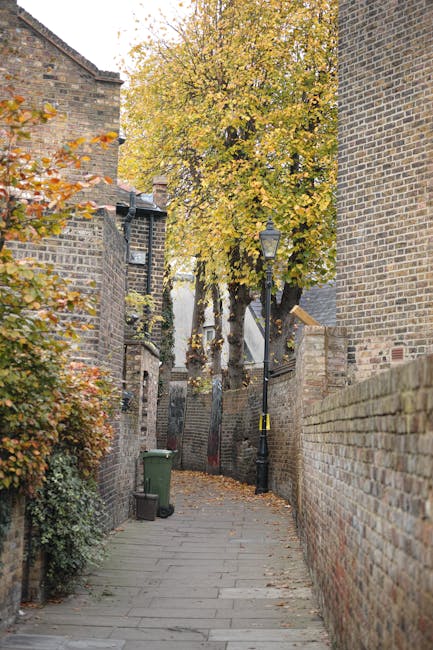
Why Ilford Cranbrook Road furniture removals narrow access help Matters
Narrow access changes everything. A standard furniture move assumes the van can park close enough, the doors open wide enough, and the item can be carried out in a clean straight line. Real life is messier. Cranbrook Road and the surrounding Ilford streets include a mix of older homes, converted flats, busy roadside parking, shared access points, and properties where stairwells are tight enough to make a sofa look suddenly overconfident.
That matters because furniture damage often happens in the awkward moments, not the heavy-lift moments. A chest of drawers can scrape a wall on the final corner. A wardrobe can catch a banister. A mattress can twist in a stairwell and leave everyone doing that silent, frustrated pause. You know the one.
Proper narrow access help reduces those risks. It means measuring before moving, choosing the right crew size, using the right carrying technique, and deciding whether the job needs dismantling, hoisting, padding, or a different route. It also helps protect neighbours, shared entrances, and parking arrangements, which is especially useful where properties sit close together and there is no spare space to improvise.
If you want a broader view of local moving support, it can also help to read about furniture removals in Ilford and the wider removal services overview. Those pages are useful when you are comparing the kinds of jobs a mover can realistically handle.
How Ilford Cranbrook Road furniture removals narrow access help Works
Good narrow access removals are planned before anyone lifts a thing. In practice, the process usually starts with a quick assessment of the property and the items. A mover looks at doorway widths, stair turns, ceiling height, internal corners, outside parking, and whether the item can be dismantled without causing more problems than it solves. If the access is unusually tight, you may be asked for photos or a short video. That little bit of prep can save a lot of time later.
From there, the approach is chosen. Sometimes the answer is simple: one or two experienced movers, blankets, straps, and careful route planning. Other times it needs extra hands, a removal van parked slightly further away, or item dismantling before the move begins. For delicate or high-value pieces, protection matters just as much as muscle. A move can be technically successful and still leave scratches if the protection side is ignored. Not ideal, obviously.
At street level, access planning may also involve timing. Cranbrook Road can be busier at certain points in the day, so arriving at the right time helps with loading and reduces the pressure of holding up traffic or blocking a tight entrance. In a few situations, the move is split into stages: take the item to a safer landing area, rotate it there, then continue to the van.
For people needing flexible crew-and-vehicle support, pages like man with a van in Ilford, man and van help, and removal van options are a natural next step to compare. They show how the service can be scaled to fit the job instead of forcing the job to fit the service.
Key Benefits and Practical Advantages
The biggest benefit is simple: less stress. But there is more to it than that.
- Reduced damage risk: Careful route planning and padding protect both furniture and the property.
- Better use of time: When access is planned properly, the move feels smoother and usually faster.
- Safer handling: Narrow spaces increase the chance of slips, twists, and awkward lifts. Experience helps reduce that risk.
- More accurate pricing: A realistic access assessment helps avoid surprise delays or extra labour later.
- Less neighbour friction: Smart timing and tidy loading make life easier in shared buildings and close streets.
There is also a quieter benefit people sometimes miss. Narrow access help gives you confidence that the move has been thought through properly. That matters. When someone has already looked at the real constraints, you stop worrying about whether the wardrobe is going to make it around the bend. And that peace of mind is worth a lot on moving day, especially if you are already juggling keys, cleaners, child care, or a landlord handover.
If your move involves a flat rather than a house, you may also find flat removals in Ilford helpful because flat moves and narrow access often go hand in hand. For larger properties, house removals in Ilford may be more relevant.
Who This Is For and When It Makes Sense
This type of help is for anyone whose property access is not straightforward. That could be a top-floor flat with a narrow staircase, a terraced home with a tight front path, a property with a shared hallway, or a building where parking is awkward and the carry distance is longer than you expected. It also makes sense if you are moving large, fragile, or awkward furniture such as wardrobes, dining tables, sofas, beds, cabinets, or pianos. The item itself can be fine. The access is the issue.
Students moving into compact accommodation often underestimate this. A cheap desk may be easy, but a bulky bed frame can suddenly become the main event. If that sounds familiar, a look at student removals in Ilford can be a useful comparison. Office or mixed-use moves may benefit from office removals in Ilford, where access constraints are also common in older buildings.
It also makes sense when time is tight. If your move is happening at short notice, and there is no time to arrange multiple visits or reconfigure the furniture list, narrow access support can stop a small move from turning messy. To be fair, that is often when people realise access planning should have happened first. Better late than never.
Step-by-Step Guidance
If you are trying to plan a narrow access move well, keep it simple and methodical. Here is the practical sequence that usually works best.
- List every item you need moved. Include awkward items, not just the obvious big ones. A lamp base or shelving unit can still cause trouble in a tight stairwell.
- Measure access points. Check door widths, stair landings, hallway turns, and the width of any external path or gate.
- Photograph the route. A few clear pictures of the entrance, stairwell, parking spot, and furniture pieces can reveal problems before moving day.
- Ask about dismantling. Some items move safely only after being partly taken apart. Do not assume everything is one-piece-friendly.
- Plan vehicle access. Decide whether the van can stop nearby or whether the crew will need a longer carry from a side street or bays.
- Confirm protection materials. Blankets, straps, trolleys, corner guards, and floor protection can make a big difference.
- Set a realistic time window. Narrow access moves usually take longer than straightforward ones, and rushing is where mistakes start.
- Prepare the property. Clear hallways, remove loose rugs, and keep children and pets out of the route while the move is underway.
That sequence sounds almost too basic, but in real moving jobs, basics win. Every time.
If you need items boxed and made ready before the move, packing and boxes in Ilford can support that side of the job. If you are comparing service levels and want a clearer overview, removal services in Ilford is a sensible place to look next.
Expert Tips for Better Results
A few small decisions can make a narrow access move much easier. These are the details experienced movers pay attention to, and they are worth copying.
- Measure at the narrowest point, not the widest. The trick is the turn, the landing, or the door frame, not the straight hallway.
- Take furniture handles and feet seriously. They add width and snag points. They are often the first thing to catch.
- Use proper protection early. Waiting until a scratch appears is, frankly, a bit late.
- Keep one person directing the move. Too many voices in a tight stairwell creates confusion. One calm lead is better.
- Clear parking and access permissions in advance. Even a short delay can throw the whole schedule off.
One useful habit is to walk the route backwards before the move starts. Start at the van point and trace the item all the way to the room. It sounds odd, but it often highlights where the elbow room disappears. A doorway that looked fine in your head can become the problem spot in real life. Funny how that happens.
Another small tip: if you are moving a fragile or high-value item, keep its hardware, screws, and small parts in one labelled bag. You do not want to be hunting for a mystery bolt at 7:30 in the morning while the kettle boils and everyone is trying not to step on bubble wrap.

Common Mistakes to Avoid
Narrow access removals are usually straightforward once the right plan is in place. The issues begin when people guess instead of measure.
- Assuming a sofa will fit because it fit in before. Furniture dimensions, packaging, and route angles all matter.
- Leaving parking to chance. On a busy Ilford street, that can cause avoidable delays.
- Forgetting stair turns and landings. The item may be short enough but still impossible to rotate safely.
- Not mentioning basement or top-floor access. The quote and time plan need the real picture.
- Trying to force a fit. If the item does not move cleanly, stop and reassess. Forcing it is how damage happens.
- Skipping protection materials. Walls, banisters, and floors need care too.
There is also a common communication mistake: saying the access is "a bit tight" when it is actually very tight. That phrase can hide the real challenge. Be honest. A mover cannot help with a problem they do not know about.
Tools, Resources and Recommendations
You do not need a warehouse full of equipment for a narrow access move, but you do need the right basics. The most useful tools are often the most ordinary ones.
- Furniture blankets and padding
- Heavy-duty straps
- Protective floor covers or runners
- Good-quality tape for securing loose parts
- Measuring tape for doorways, landings, and furniture dimensions
- Disassembly tools for beds, tables, and modular furniture
- Trolleys or dollies where the route allows them
From a service perspective, it can help to combine narrow access help with the right moving type. For example, a small flat move may suit man and van in Ilford, while a more substantial move may need removals in Ilford or even removal companies in Ilford if the job includes multiple rooms and more complex logistics.
If timing matters more than anything else, there is also same day removals in Ilford. That can be especially useful when access is awkward and the move has to be completed within a narrow window. And if the route includes valuable instruments or especially delicate pieces, piano removals in Ilford is the better fit because specialist handling changes the whole approach.
Law, Compliance, Standards, or Best Practice
Narrow access work is mostly about good practice, risk reduction, and respect for property and people. There is not a single universal rule that covers every moving situation, but there are sensible expectations that reputable movers follow. Safe lifting, careful handling, proper insurance arrangements, and clear communication all matter. So does being considerate in shared buildings and not blocking access for longer than necessary.
In the UK, it is normal for removal work to be carried out with attention to health and safety, manual handling, and property protection. That means moving teams should avoid reckless lifting, use suitable equipment where needed, and take reasonable steps to prevent injury or damage. For customers, the practical side is equally important: tell the truth about stairs, parking, and any restrictions. Surprises on moving day are rarely the good kind.
It is also sensible to understand service terms, payment expectations, and what is included before the move starts. If you want to check how a provider frames those basics, insurance and safety, payment and security, and terms and conditions are worth reviewing. They help set expectations in a plain, practical way.
For businesses and landlords, keeping good records of access notes, building restrictions, and agreed timing can also prevent disputes later. That is not glamorous, but it is sensible.
Options, Methods, or Comparison Table
Different access problems need different solutions. Here is a simple comparison to help you decide what kind of support fits the job.
| Method | Best for | Strengths | Limitations |
|---|---|---|---|
| Standard furniture removal | Straightforward homes with reasonable access | Simple, efficient, usually faster | Less suitable for tight stairs or awkward turns |
| Man and van support | Smaller loads, flexible local moves, short notice jobs | Good for local access challenges and lighter volumes | May not suit full-house or multi-room moves |
| Specialist narrow access handling | Items that barely fit, need dismantling, or require extra care | More controlled, safer for property and furniture | May take longer and need more planning |
| Storage-first approach | Moves with timing gaps or access too tight for the day | Reduces pressure and creates flexibility | Not always needed, adds an extra step |
If you are not sure which route fits your situation, the safest approach is usually the one that values access reality over wishful thinking. In plain English: choose the method that fits the building, not the other way around.
For some local readers, wider Ilford context matters too. Articles such as why local living in Ilford matters and building connections in the close-knit Ilford community can be useful if you are settling into the area and trying to understand the local pace of life. Moving is never only about boxes, is it?
Case Study or Real-World Example
Here is a realistic example based on the kind of job narrow access crews handle regularly. A couple moving from a first-floor flat near Cranbrook Road had a two-piece wardrobe, a sofa, a bed frame, and a dining table. The building had a narrow internal staircase, and the parking space outside was shared with neighbouring properties. Nothing impossible, but enough to make the job awkward.
The first step was to identify which items could be moved intact and which ones needed dismantling. The wardrobe was taken apart, the bed frame was split down, and the table legs were removed. The crew used protective blankets on the landing, floor runners in the hallway, and extra care on the stair turn. The van was positioned to minimise the carry distance once the space became available.
The result was not dramatic, which is actually the point. No wall scuffs, no crushed corners, no panicked shoving at the final turn. The move felt orderly. A little slower than a simple ground-floor job, yes, but that is normal. And to be fair, the couple said the most valuable part was simply not having to guess whether the wardrobe would make it. They knew the answer before lifting started.
That kind of calm comes from planning, not luck.
Practical Checklist
Use this checklist a day or two before the move if you want to reduce avoidable stress.
- Measured all doorways, hallways, stair turns, and landings
- Taken photos of the access route and bulky items
- Confirmed whether furniture needs dismantling
- Checked parking options near Cranbrook Road
- Cleared the route of clutter, mats, and loose items
- Prepared blankets, straps, tape, and tools
- Separated screws, fittings, and small parts into labelled bags
- Agreed arrival time and estimated carry distance
- Notified neighbours or building management if needed
- Reviewed service and payment details in advance
If you tick most of those boxes, you are already ahead of the game. Honestly, many move-day problems come from skipping just one or two of them.
Get a free quote today and see how much you can save.
Conclusion
Ilford Cranbrook Road furniture removals narrow access help is really about turning a difficult move into a manageable one. The value is in the planning, the judgement, and the calm execution. When access is tight, guesswork is expensive. Good preparation is cheaper, safer, and far less tiring.
Whether you are moving one awkward sofa or a full flat's worth of furniture, the same principle applies: measure carefully, be honest about the access, choose the right level of support, and protect the property as well as the furniture. That is how you keep the day under control.
If you are comparing moving support, you may also want to explore pricing and quotes, about us, and recycling and sustainability for a better sense of how the wider service works. Small decisions add up here, and the right one tends to make the whole move feel lighter. In moving, as in life, a bit of care goes a long way.